Use case : Nanterre 92

Nanterre 92: Leveraging CRM Strategy to Shatter League Attendance Records

How Nanterre 92 harnessed fan data to set a new Betclic Élite spectator record during their high-stakes showdown against Monaco.

Use case Nanterre 92 - 2

Nanterre 92 established a new attendance record for the Betclic Élite league with 17,487 spectators, thanks to a CRM strategy powered by Arenametrix. By precisely segmenting nine seasons of historical data and deploying automated behavioral re-engagement, the club successfully filled the Paris La Défense Arena without relying on extra-sporting entertainment.

Background: A Pillar of French Basketball

Nanterre 92 is a major club in French basketball. A permanent fixture at the top of the Betclic Élite, the club was crowned French Champion in 2013 and is globally renowned for its elite youth academy—most notably as the launching pad for phenom Victor Wembanyama.

The Challenge: Filling an Arena Through Sporting Appeal Alone

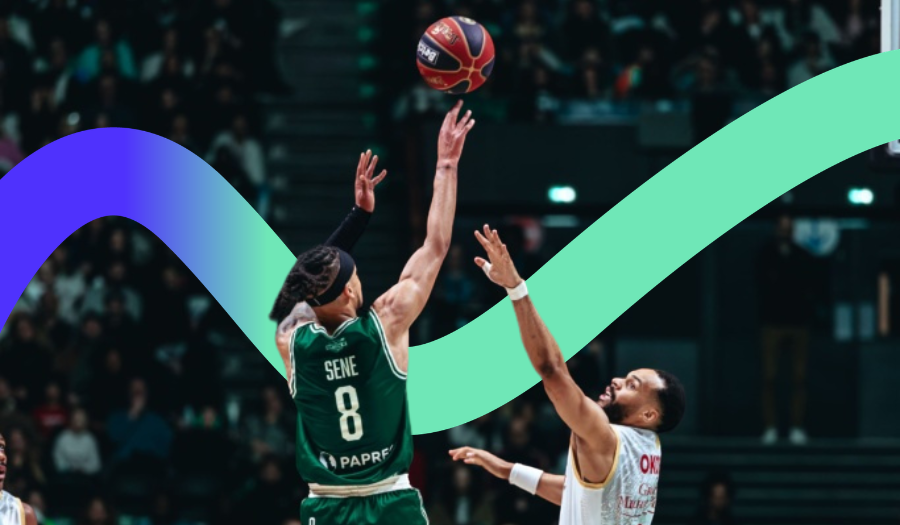
On February 15, 2026, the match against league-leaders Monaco—with Nanterre close behind in second place—was a massive sporting and popular milestone. For this gala event, the club returned to the Paris La Défense Arena, the largest indoor venue in Europe.

While the club had previously broken attendance records at this venue, those successes often relied on "eventization"—using halftime musical showcases from artists like Naza (2023) or Tayc (2025) as major drawcards. This time, the challenge was different: fill the arena solely through the game’s prestige and a surgical CRM strategy.

Capitalizing on Nine Seasons of Rich Data

To meet this challenge, Nanterre 92 leaned on a long-term strategic asset: its fan database. For nine years, the club has centralized data via Arenametrix, including ticketing history, past visits, purchasing behavior, communication preferences, and engagement signals.

This historical depth allowed the club to approach the match with a decisive advantage: the ability to distinguish between different profiles, understand their specific relationship with the club, and tailor messages to their habits.

"Nine seasons of data is a massive goldmine. We know which fans came once, who comes regularly, and who hasn't stepped foot in the arena for two seasons. This granularity makes all the difference."
Alexis Jablonski - Head of Customer Success Sport  - Arenametrix 

In the context of a game like Nanterre vs. Monaco, every segment counts.
The goal was not to communicate more, but to communicate better.

Activating Each Audience Type Effectively

The first phase of the campaign involved identifying the right audiences to mobilize:

 Persona 1: Past Paris La Défense Arena Attendees.
These fans had attended previous Nanterre games at the Paris La Défense Arena. Having already experienced the venue, they were naturally more likely to return. Using historical ticketing data, the club targeted these high-value leads with personalized messages inviting them to relive the experience.

Sample Subject Line : « Relive the excitement: Another epic night at Paris La Défense Arena with Nanterre 92. »


Persona 2: The Occasional Fan
.
This spectator attends one or two games a season, usually for major matchups. They are sensitive to the prestige of the opponent and the overall atmosphere. With Monaco leading the league, the context was perfect. The strategy here focused on the prestige of the encounter and the "scarcity" factor (limited remaining seats) to convert latent interest into an actual purchase.

 Sample Subject Line : « 1st vs. 2nd: This Sunday at Paris La Défense Arena!. » 

Persona 3: The Regular Fan.
These supporters follow Nanterre 92 game after game. For this profile, the focus wasn't on selling a show, but on triggering belonging. The messaging focused on the pride of being present for a historic night, being part of the record, and representing the Nanterre community.

Converting Intent into Purchase: Recovering "Hesitant" Fans

The work didn't stop with the initial campaigns. A key lever of this operation was the targeted re-engagement of fans who showed interest but hadn't completed their purchase.

Arenametrix enabled the identification of contacts who had opened an email or clicked a ticketing link without finalizing their order. These fans hadn't said "no"—they were simply hesitant. The club implemented an automated, personalized follow-up sequence using different triggers: a reminder of the matchup, urgency regarding seat availability, and varied communication angles to overcome barriers to purchase.

This is where the CRM logic truly shines: moving beyond top-down broadcasting to exploit real-time behavior and intervene at the right moment with the right contact.

A Measurable Campaign Leading to a Record

Through strong data anchoring, precise segmentation, and behavioral triggers, the club transformed a high-stakes match into a concrete popular success.

Beyond the record itself, this campaign demonstrates that a well-executed CRM strategy optimizes venue filling without needing extra-sporting gimmicks. Success relies on the ability to mobilize the right audiences with the right messages, based on actionable fan intelligence.

Turning the Event into a Long-Term Asset

Nanterre 92 didn't plan this record-breaking night as a one-off event, but as an opportunity to strengthen its future database.

The club deployed several data collection tools directly within the arena, such as contests and digital forms, to capture new leads and enrich existing profiles. This approach extends the impact of the event beyond the final whistle, fueling future campaigns and deepening the club's understanding of its supporters.

"One of the key strengths of this match is the aftermath. Thanks to the tools we set up in the arena, we collected new data via contests and forms. This allows us to enrich our database and better prepare for upcoming games and next season." Pierre Gueny - Head of Ticketing & CRM - Nanterre 92

In an environment where filling arenas is a major strategic and economic challenge, clubs that know how to structure, segment, and activate their database gain a significant competitive edge. Nanterre 92 proves that data is a direct engine for performance, serving as the foundation for a historic record.