This article is based on an interview with Solène Jimenez, business developer at Arenametrix, and Cindy Ogiez, marketing and sales manager at the Mucem ; it was published by Cultuurmarketing.
A majestic building you can enter free of charge without a ticket, and visitors reluctant to hand over their data: these are the difficulties facing the young museum that has become a symbol of the south of France, the Mucem.
So how do you manage to collect data and understand your visitors better?
The challenge: collecting visitor data
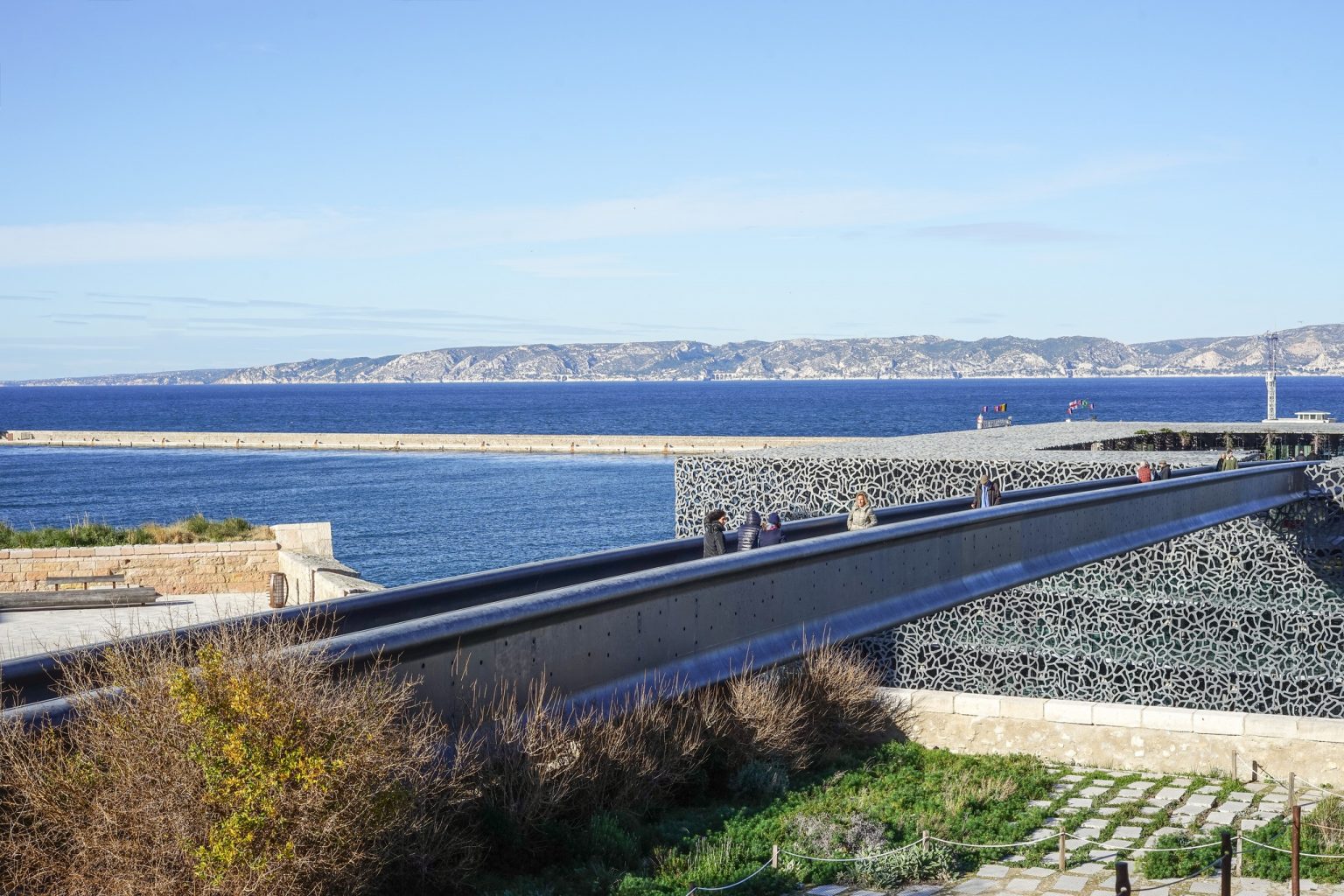
In Marseille, a stone's throw from the historic port, a piece of contemporary architecture devoted to the civilisations of the Mediterranean has stood since 2013: the Mucem, the Museum of European and Mediterranean Civilisations.
The Mucem holds « Musée de France » status, a designation granted by the French state. That status comes with a number of obligations, such as running outreach work on culture and audience diversification, and remaining accessible to as many people as possible.
The Mucem already reaches a broad public, welcoming around 1.2 million visitors a year. Fewer than half of them, some 500,000 people, buy a ticket for an exhibition. The vast majority come for other reasons: to take part in one of the museum's activities, or simply to admire the architecture. With no registration through a ticket purchase, collecting data on all these visitors is difficult.
The beginnings of the CRM project
After a first unsuccessful attempt at building a CRM, the museum chose Arenametrix in 2019.
« This system matched our needs, it is better suited to cultural institutions and it interfaces easily with the ticketing system », explains Cindy Ogiez, head of marketing and sales.
Solène Jimenez, head of international development at Arenametrix, explains that the project started very easily. Before Arenametrix, the museum only sent generic newsletters presenting exhibitions and events to a limited number of email addresses.
« Our first step, working with the museum, was to segment the database to identify specific target groups. Collecting visitor data remains our priority: without data, there is no audience to send targeted content to. And email addresses are essential to audience development campaigns ».
Building loyalty through a strong local footing
An architectural jewel close to the city centre, the young museum has the potential to become an unmissable stop for tourists. Yet 50% of its visitors come from the south-east of France. In other words, half the audience is concentrated within a 200-kilometre radius of the museum, from Montpellier to Nice. The other half is mainly made up of tourists from the rest of France. How is that distribution explained? « Marseille is a destination many French people visit, and that was already true before the pandemic, which limited travel abroad », explains Cindy Ogiez from her Marseille office. « Many tourists who come to Marseille are from the Paris and Lyon regions, for instance. Both are home to people with higher incomes and established cultural habits. Unlike the Paris museums, for example, the Mucem was less affected by the loss of foreign tourists ».
By focusing on domestic visitors, the museum hopes to build loyalty and encourage regular visits. Unlike foreign tourists, for whom Marseille is often a one-off holiday destination, local residents are more likely to return for new events and exhibitions.
What sets visitors to French cultural sites apart
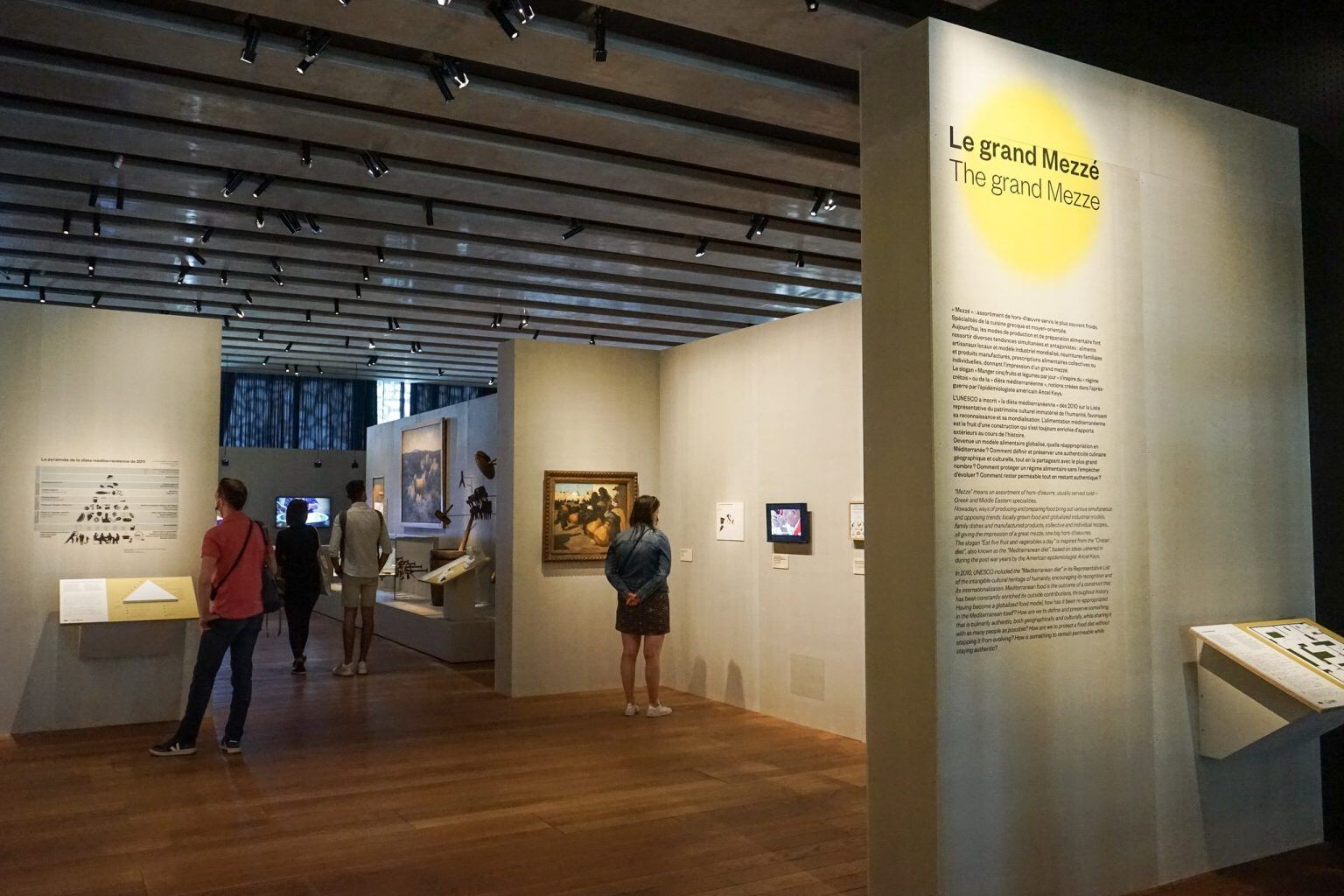
Most Mucem visitors come from France, a country whose cultural visiting habits differ from those in the Netherlands. To encourage young people to visit, for example, national museums are always free for under-26s. While that helps bring a wider public into museums, it unfortunately works against the process of collecting data.
This difficulty concerns not only under-26s but all visitors. Cindy Ogiez explains that in Marseille, because many cultural activities are free, people are not used to buying tickets online in advance and prefer to get them at the museum entrance. Older visitors, moreover, are reluctant to give personal information such as an email address, a date of birth or an address. « With the pandemic, our audience's habits changed », she explains. « Before, about 3 to 4% of tickets were bought online. Covid pushed that to 11%. That rise is very helpful for collecting visitor data. »
Many museums now let visitors book a specific time slot. As well as spreading attendance across the day, this leads visitors to enter their details and enriches the institution's database. But because the Mucem has a large, spacious building, time slots were not really needed to allow visits under health restrictions. The principle of buying before the visit remains a recurring problem for Cindy Ogiez: « It severely limits the data we could gather about a visitor before they come. The other difficulty is asking for extra information from visitors once they are through the museum doors ».
Leaving data during the visit
Since time slots and online ticket sales deliver limited results, museums have to be creative in finding new ways to collect data. The most obvious option is to encourage people to give an email address during their visit. That can be done by offering visitors the chance to receive a museum selfie by email, or to leave a comment in the digital guest book on an iPad. The visitor then shares information on site and feeds the database. « The first method of collecting email addresses is still advance ticket sales. But this kind of in-visit technique has contributed enormously to the growth of our contact list over the past year. In January 2021 we had 87,000 addresses. A year later we are at 118,000 », says Cindy Ogiez. « That is a notable increase in our database, which lets us use the CRM more effectively ».
New activities for new audiences
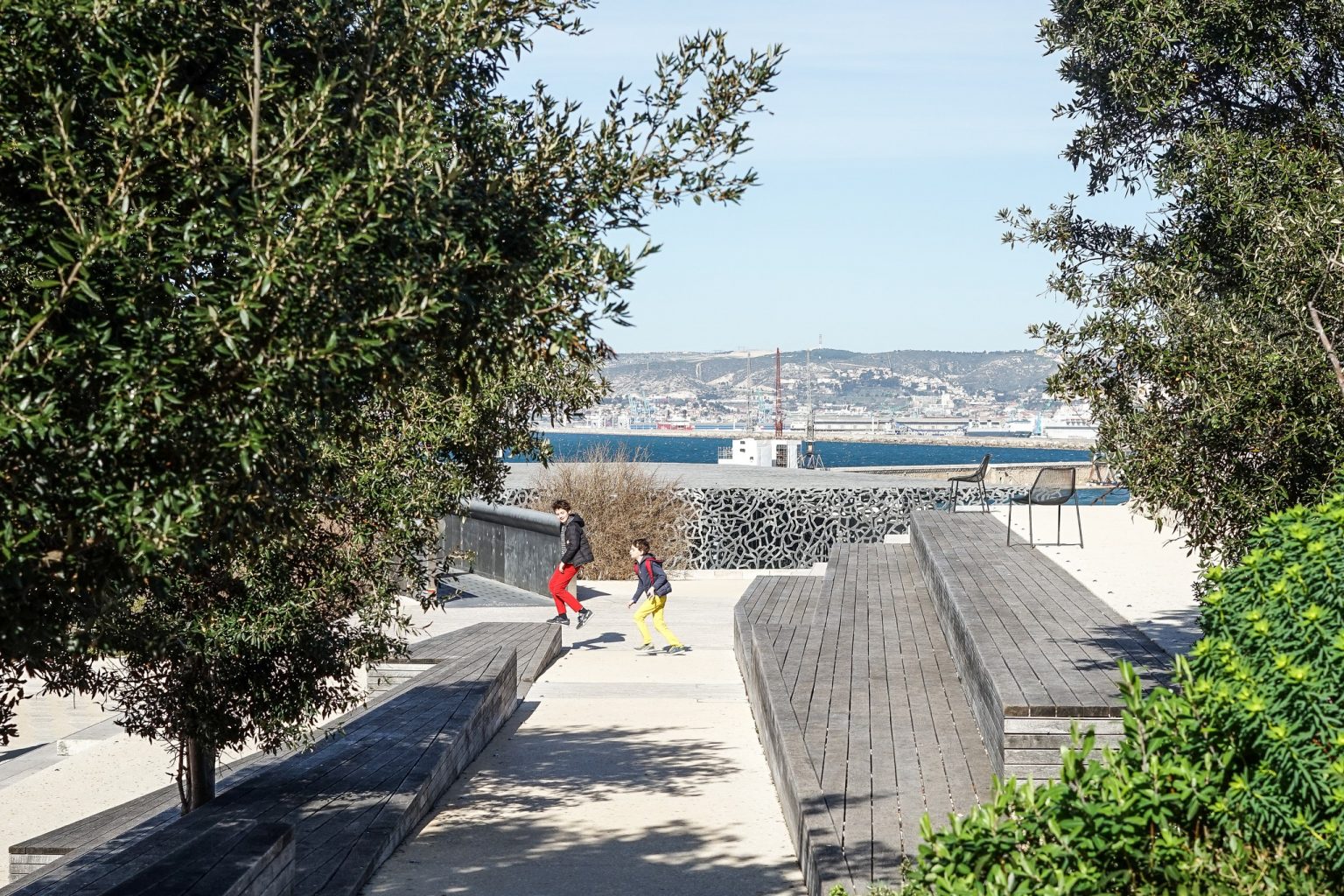
Thanks to its size and layout, the Mucem also lends itself to events and activities beyond the traditional exhibition. Yoga classes have been held inside the museum, for instance. « With this kind of activity we try to bring a new public to the Mucem », explains Cindy Ogiez. « Events draw a wide audience, but here too these are spontaneous visits. One approach we tried for some free events, and which proved interesting, is to let visitors book a free ticket online. That gives us a much better understanding of our visitors' profile ».
The Mucem's strategy from here
Solène Jimenez and Cindy Ogiez agree that getting the right message to the right person remains the most important goal. A smoother visitor journey, better audience segmentation and fewer generic campaigns therefore look like real added value for the future. « We welcome around 1.2 million visitors a year. Only 500,000 of them come for the exhibitions. That means we know little or nothing about more than half of our public. To meet their needs properly, we first have to understand who they are, what they want and why they are there », explains Cindy Ogiez. « We are pleased with the strategy we have put in place with our CRM, but there is still a great deal of data to collect and use intelligently », concludes Solène Jimenez. « The priority, for the Mucem as for Arenametrix, is to better understand the visitor profile ».